Deposit and Withdrawal Methods in Pakistan Explained: A Complete Guide in 2026
Over the last decade, deposit and withdrawal methods in Pakistan have evolved from branch-based cash banking to mobile wallets, online banking, and digital payments. Today, traditional banks and fintech platforms operate side by side, supporting everything from everyday banking to online shopping, freelancing, gaming, investments, remittances, and bill payments. As each method differs in speed, cost, accessibility, and security, understanding the available options is essential for choosing the most efficient and reliable way to manage money in Pakistan’s mixed cash-and-digital economy.
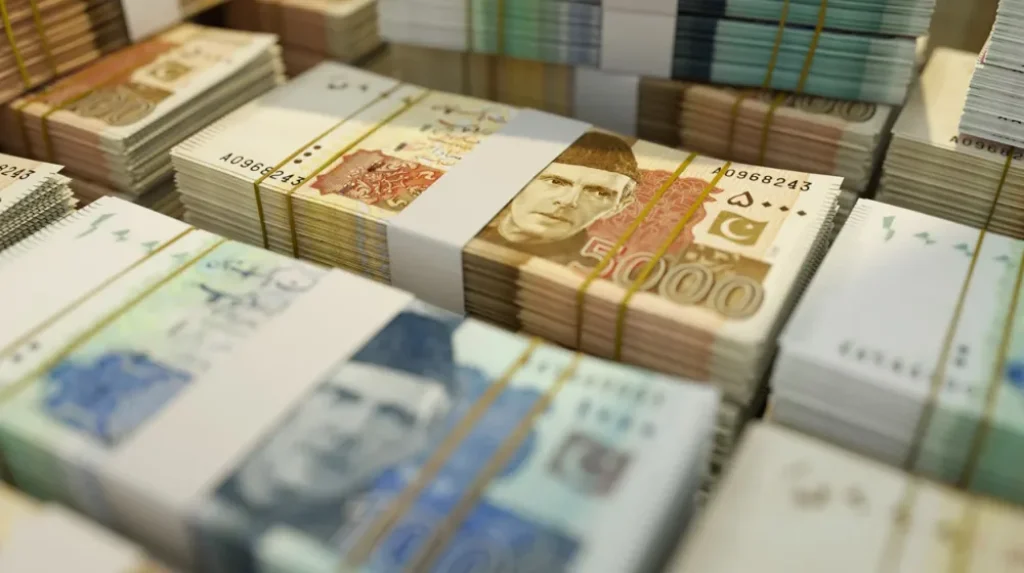
This article provides a comprehensive explanation of all major deposit and withdrawal methods used in Pakistan, covering bank-based systems, mobile wallets, cards, cash-based solutions, international platforms, and emerging digital alternatives. The goal is to give a clear, practical understanding of how money moves in and out of accounts across different sectors and use cases.
Overview of the Payment Ecosystem in Pakistan
Pakistan’s payment ecosystem operates on a hybrid model. Traditional banks remain the backbone of the financial system, regulated by the State Bank of Pakistan (SBP), while fintech companies and branchless banking services have expanded financial access to millions of users who previously had limited interaction with formal banking.
Banks provide core services such as savings accounts, current accounts, ATM withdrawals, debit cards, and interbank transfers. Alongside this, mobile wallets and branchless banking services allow users to deposit, withdraw, and transfer money using only a mobile number and CNIC verification. This dual structure has helped Pakistan move toward greater financial inclusion without completely replacing cash-based systems.
Digital payments are more common in urban areas, while rural and semi-urban regions still rely heavily on cash deposits and agent-based withdrawals. However, mobile wallet agent networks have significantly bridged this gap, making deposits and withdrawals accessible even in remote locations.
Bank-Based Deposit and Withdrawal Methods
Banks remain one of the most widely trusted and regulated channels for deposits and withdrawals in Pakistan. Almost all large financial transactions, salary payments, investments, and government-related transfers are routed through banks.
Bank Transfers
Bank transfers are one of the most common deposit and withdrawal methods. They include interbank fund transfers (IBFT), same-bank transfers, and branch-based deposits.
Online interbank transfers allow users to send money from one bank account to another through internet banking or mobile apps. These transfers are widely used for salary payments, business transactions, and large personal transfers. Processing time can range from instant to a few hours, depending on the bank and transfer type.
Branch counter deposits involve physically visiting a bank branch and depositing cash into an account. While slower and less convenient, this method is still popular for large cash deposits, business collections, and users who prefer face-to-face banking.
Internet and Mobile Banking
Most banks in Pakistan offer internet and mobile banking services that allow users to deposit, withdraw, and transfer funds digitally. Deposits typically involve transferring money from another bank account or linked wallet, while withdrawals may involve transferring funds to another account or withdrawing cash via ATM.
Mobile banking apps have significantly reduced dependency on physical branches. Users can initiate transactions at any time, view account statements, and manage funds securely using two-factor authentication.
ATM Withdrawals
ATM withdrawals remain one of the most common ways to access cash. Debit cards issued by banks can be used at ATMs nationwide. Daily withdrawal limits vary by bank and card type, typically ranging from PKR 25,000 to PKR 100,000 or more.
While ATM withdrawals are convenient, they may involve fees when using another bank’s ATM. Despite the growth of digital payments, cash withdrawals continue to play a critical role in everyday transactions.
Mobile Wallets and Branchless Banking Services
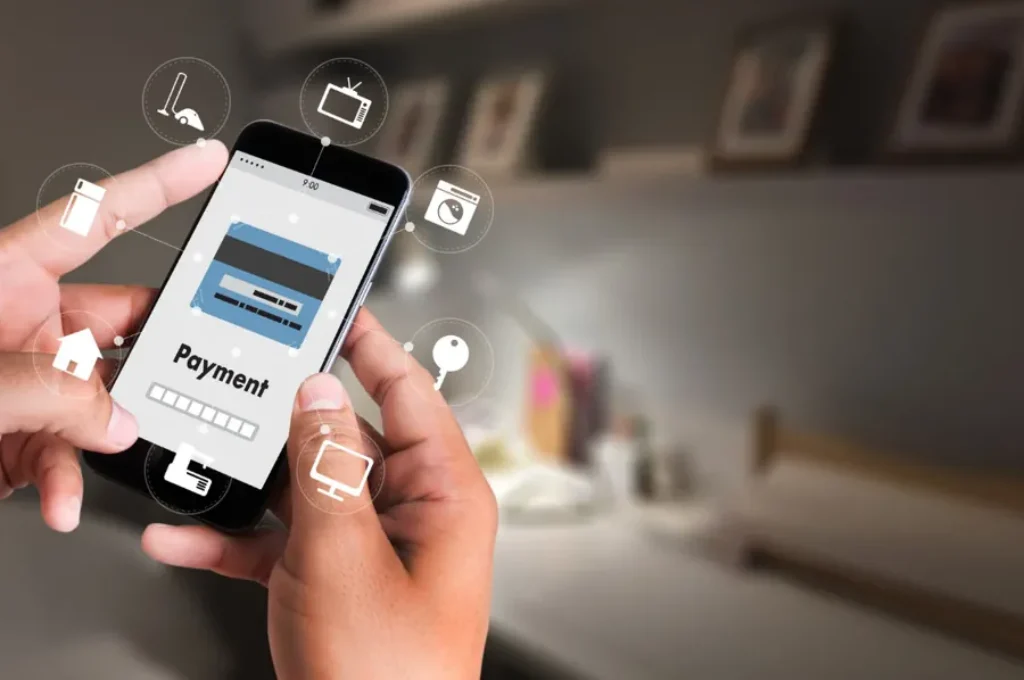
Mobile wallets have transformed deposits and withdrawals in Pakistan by making digital payments accessible without requiring a traditional bank account. These services operate under SBP regulations and are widely used for small to medium transactions.
Major Mobile Wallets
Popular mobile wallets in Pakistan include Easypaisa, JazzCash, SadaPay, NayaPay, and UBL Omni. These platforms allow users to deposit money via agents, bank transfers, or linked cards and withdraw funds through agents, ATMs, or bank transfers.
Deposits can be made by visiting a nearby agent and handing over cash, which is instantly credited to the wallet. Users can also deposit funds digitally from a bank account or another wallet.
Withdrawals are equally flexible. Users can withdraw cash from authorized agents, use ATM cards provided by some wallets, or transfer funds to a bank account. Processing times are usually instant or near-instant.
Verification and Limits
Mobile wallets require CNIC-based verification. Basic accounts have lower transaction limits, while fully verified accounts allow higher daily and monthly limits. Verification improves security and ensures compliance with regulatory requirements.
Mobile wallets are especially popular for online services, gaming platforms, utility bill payments, peer-to-peer transfers, and small business transactions due to their speed and accessibility.
Card-Based Deposit and Withdrawal Methods
Cards play an important role in Pakistan’s payment landscape, particularly for online transactions and ATM withdrawals.
Debit Cards
Debit cards linked to bank accounts are widely used for deposits and withdrawals. Online deposits can be made on supported platforms by entering card details, while withdrawals are performed through ATMs.
Debit cards are commonly accepted for e-commerce, subscriptions, and digital services. However, international usage may require activation and may incur additional charges.
Credit Cards
Credit card usage in Pakistan is relatively limited compared to debit cards, but it is growing steadily. Credit cards are mainly used for online deposits, international payments, and subscriptions. Direct cash withdrawals using credit cards are possible but often involve high fees and interest.
Prepaid and Virtual Cards
Prepaid and virtual cards are gaining popularity for online payments. These cards are especially useful for users who want to control spending or avoid sharing primary card details online. They are often linked to mobile wallets or digital banking apps and are suitable for international platforms.
Cash-Based Deposit and Withdrawal Methods
Despite the rise of digital payments, cash remains an essential part of Pakistan’s economy. Many people still rely on cash-based deposits and withdrawals, especially in areas with limited internet access.
Agent-Based Cash Deposits
Mobile wallet agents and franchise outlets allow users to deposit cash into digital accounts. This method is widely used for wallet top-ups, bill payments, and small business transactions. The widespread agent network ensures accessibility even in remote areas.
Over-the-Counter Payments
Over-the-counter payments are used for utility bills, government fees, and certain services. Users pay cash at designated counters, and the amount is processed digitally on their behalf.
While cash-based methods are slower and less traceable than digital options, they remain crucial for financial inclusion.
Online Payment Gateways and Aggregators
Payment gateways act as intermediaries between users, merchants, banks, and wallets. They enable online businesses and apps to accept multiple deposit and withdrawal methods through a single integration.
In Pakistan, payment gateways support bank transfers, mobile wallets, cards, and sometimes international payments. They are widely used by e-commerce stores, service providers, and digital platforms.
For users, gateways simplify deposits by offering multiple options in one place. Withdrawals are usually processed to the original payment method or a linked bank account.
International Deposit and Withdrawal Methods
International transactions are essential for freelancers, remote workers, exporters, and users dealing with global platforms.
International Bank Transfers
International bank transfers use the SWIFT network to send and receive funds across borders. These transfers are secure but relatively slow and expensive. Processing times can range from two to five working days, with fees charged by both sending and receiving banks.
Online Payment Platforms
Platforms such as Payoneer, Skrill, Neteller, and Wise are commonly used in Pakistan for receiving international payments. These services allow users to receive funds in foreign currencies and withdraw them to local bank accounts.
These platforms are particularly popular among freelancers and online sellers due to better exchange rates and faster processing compared to traditional bank transfers.
Freelancing and Remote Work Payments
Freelancers in Pakistan use a combination of international platforms and local bank withdrawals to receive payments. Funds are typically deposited into a digital account and then withdrawn to a local bank or mobile wallet.
Cryptocurrency and Digital Asset Transactions
Cryptocurrency usage in Pakistan operates in a grey regulatory area but is widely used through peer-to-peer transactions and international exchanges.
Crypto deposits often involve transferring funds via P2P platforms using bank transfers or mobile wallets. Withdrawals follow a similar process, converting digital assets into local currency.
Due to regulatory uncertainty, users must exercise caution and stay informed about legal developments.
Sector-Wise Usage of Deposit and Withdrawal Methods
Different sectors in Pakistan rely on different deposit and withdrawal methods based on their needs.
E-commerce platforms primarily use cards, mobile wallets, and bank transfers. Betting and gaming platforms often rely on mobile wallets and bank transfers due to speed and accessibility. Freelancing platforms depend on international payment services and bank withdrawals. Investment and trading apps use bank-linked accounts for regulatory compliance.
Understanding sector-specific preferences helps users choose the most efficient payment method.
Processing Time and Transaction Limits
Processing time varies significantly by method. Mobile wallet transfers are usually instant, bank transfers may take a few hours, and international transfers can take several days. Transaction limits depend on account verification, regulatory requirements, and service provider policies.
Users should always check daily and monthly limits before initiating large transactions.
Fees, Charges, and Hidden Costs
Fees are an important consideration when choosing a deposit or withdrawal method. Banks may charge transfer fees, wallets may apply service charges, and international platforms may deduct currency conversion fees.
Hidden costs such as exchange rate margins can significantly impact the final amount received. Comparing fees across methods helps minimize unnecessary expenses.
Security and Safety Considerations
Security is critical in financial transactions. Most platforms use encryption, two-factor authentication, and CNIC verification to protect users. Avoiding public Wi-Fi, keeping login details confidential, and verifying transaction details are essential safety practices.
Common Issues and Solutions
Users may face issues such as failed deposits, delayed withdrawals, or verification problems. Most issues can be resolved by contacting customer support, ensuring account verification, and following platform guidelines.
Understanding common problems and their solutions reduces frustration and improves the overall experience.
Choosing the Right Deposit and Withdrawal Method
The best method depends on individual needs. Users prioritizing speed may prefer mobile wallets, while those handling large amounts may opt for bank transfers. International earners may benefit from digital payment platforms, while cash-based users may rely on agent networks.
Evaluating speed, cost, security, and convenience helps in selecting the most suitable option.
Wrap Up
Deposit and withdrawal methods in Pakistan offer a wide range of options tailored to different needs and use cases. From traditional banks and cash-based systems to modern mobile wallets and international platforms, users have more flexibility than ever before. Understanding how each method works, along with its advantages and limitations, empowers individuals and businesses to manage their finances efficiently and securely.